Pantry Rotation System: A Practical Step-by-Step to Reduce Food Waste and Keep Ingredients Fresh
Pantries accumulate a mix of old and new packages, making it easy for items to be forgotten until they go stale. A pantry rotation system is a small, repeatable habit that puts older items in plain sight and makes daily decisions easier. This guide is built around careful observation: watch what gets used, where things hide, and how packaging affects visibility—then adapt the system to those patterns.
Step-by-step method
-
Empty and observe.
Remove everything from one shelf or the whole pantry. As you take items out, note what’s expired, what you never use, and what tends to get shoved to the back. This observational step tells you which categories need different handling (spices, cereals, canned goods, snacks).
-
Group like with like.
Sort items into categories: canned goods, grains/pasta, baking, snacks, sauces, breakfast items, and single-use or nearly empty packages. Keep frequently used meal-building items together so you can build meals faster.
-
Design zones by frequency and size.
Assign shelf zones: eye-level and lower shelves for daily-use items, higher shelves for long-term storage or bulk. Reserve a small, accessible zone for “Use Soon” items that are closest to expiration or opened packages.
-
Implement FIFO placement.
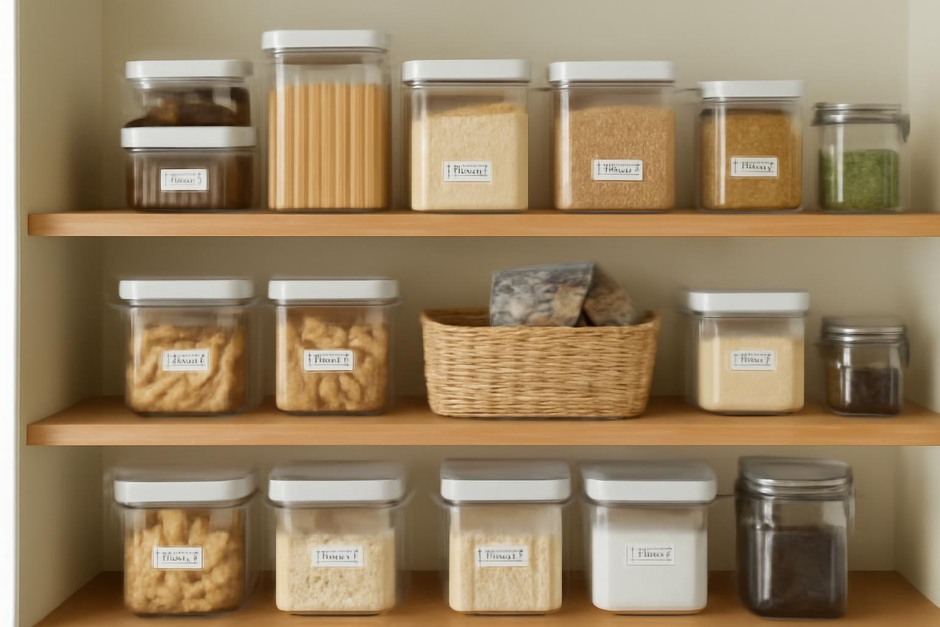
Place the newest items at the back and move older items to the front. For boxed or flexible packaging, consolidate into clear bins or baskets and put bins with oldest contents at the front. For canned goods, use a single-file front-to-back track: when you add new cans, place them at the back.
-
Label and date.
Put simple labels on shelves or bins indicating the category and a place to write the date when an item is opened. Use inexpensive label tags or masking tape and a marker. For items without visible expiration dates (bulk containers), mark the purchase or opened date on the package.
-
Create a small “Eat First” bin.
Designate one clear bin at eye level for items that must be eaten within the next week. At the end of grocery day, quickly move the oldest items from the main shelf into this bin. This visual cue helps family members choose those items without thinking.
-
Adopt a five-minute weekly check.
Once a week—after shopping or during meal planning—scan shelves for anything that’s hidden, nearly empty, or past its date. Move items into the “Eat First” bin or adjust placement. This short habit prevents a backlog of forgotten items.
-
Adjust by observation.
After three weeks, observe what still gets lost or what bins fill up first. Rearrange zones or change bin sizes based on actual use, not assumptions.
Variations
-
Small pantry or apartment kitchen:
Use stackable clear containers and a single-tier lazy Susan for frequently used items. Keep the “Eat First” bin on the countertop or inside a lower cabinet close to the meal prep area.
-
Large pantries or bulk buyers:
Reserve a separate bulk zone for unopened large containers. When decanting bulk into smaller reusable jars, label jars with opened/purchase dates and rotate jars forward.
-
Families with kids:
Create a kid-friendly snack shelf at lower height with clear bins and pictures or color-coded labels so children can select healthy options that are also rotated.
-
Frequent meal preppers:
Keep prepped ingredients in clear containers labeled with the date and place them in the “Eat First” zone; add a shelf tag that lists typical meal components to speed decision-making.
Troubleshooting
-
Problem: Items keep getting hidden behind tall packages.
Solution: Use tiered shelf risers or shallow baskets so small boxes and packets remain visible. Move tall items to a dedicated vertical zone.
-
Problem: Labels fade or get ignored.
Solution: Use a consistent, simple label type and place them where they’re naturally seen (edge of the shelf or front of a bin). Pick a single color or shape for the “Eat First” bin so it stands out without needing to read the label.
-
Problem: Multiple similar packages make rotation confusing.
Solution: Consolidate identical items into one clear container and mark the container with a date. If consolidation isn’t possible, move the oldest package fully to the front edge of the shelf to avoid being covered.
-
Problem: Pests or crumbs attract insects.
Solution: Store open cereals, grains, and flours in airtight containers. Regularly sweep pantry shelves during the weekly check and clean any spills immediately.
-
Problem: The system fails when others don’t follow it.
Solution: Keep the process obvious and low-effort—clear bins and a visible “Eat First” box are easier to follow than detailed rules. A brief family note on the pantry door explaining the one action to take (“Put new items behind older ones”) helps build consistent behavior.
Small, observable changes and a short weekly habit are the heart of an effective pantry rotation system. Start with one shelf, watch how people use it, and refine the zones and labels until the setup quietly supports everyday cooking and reduces waste.